Digital Footprints and Your Future
How
Universities and Employers Are Looking Beyond Grades
There was a time when academic
transcripts, recommendation letters and examination scores formed the
foundation of every university or job application. While these factors remain
important, they are no longer the complete picture.
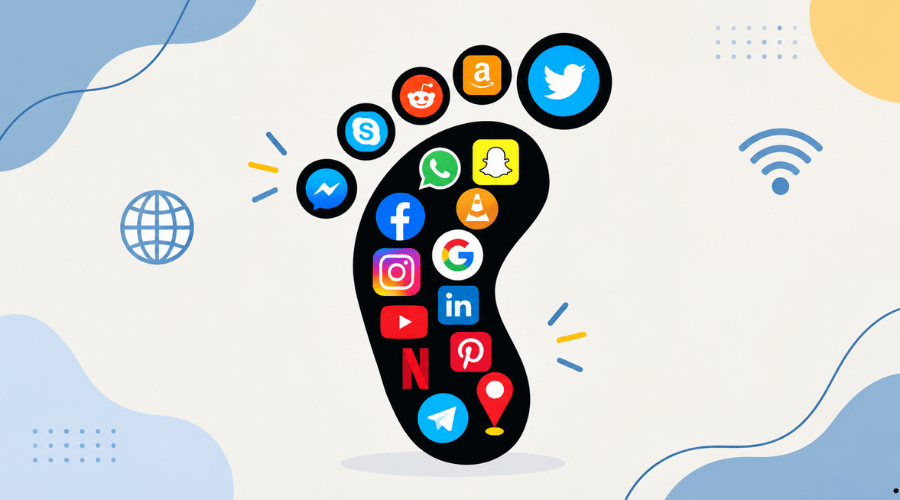
Today, a student's digital footprint
can be almost as influential as their grades.
Before making admissions or hiring
decisions, universities and employers increasingly look online to understand
who applicants are beyond their formal credentials. They explore professional
profiles, personal websites, portfolios and even social media activity. In many
cases, the internet has become an unofficial extension of the application
process.
For students preparing for higher
education or international careers, managing an online presence is no longer
optional. It has become an essential part of building future opportunities.
The
New First Impression
In the digital age, the first
impression often occurs long before an interview or admission meeting.
A quick online search can reveal a
wealth of information about an applicant. Professional achievements, creative
projects, volunteer work, publications and leadership activities are often
visible within minutes.
Admissions officers and recruiters
are not necessarily searching for perfection. They are looking for
authenticity, initiative and evidence of engagement beyond the classroom.
A strong digital presence can
reinforce an application by demonstrating commitment, passion and practical
experience. Conversely, an absence of professional visibility may represent a
missed opportunity to showcase strengths that grades alone cannot communicate.
For today's students, the internet
has effectively become a personal showcase accessible to a global audience.
Why
LinkedIn Matters More Than Ever
Among professional platforms,
LinkedIn has emerged as one of the most important tools for students and young
professionals.
Originally viewed as a networking
platform for experienced professionals, LinkedIn is now widely used by
university applicants, recent graduates and early career job seekers. It allows
students to present academic achievements, internships, certifications,
volunteer experiences and extracurricular activities in a structured and
professional format.
More importantly, it demonstrates
initiative.
Students who actively engage with
industry discussions, share insights and build professional networks often
create stronger impressions than those who rely solely on traditional resumes.
For international students seeking
admission or employment opportunities abroad, LinkedIn serves as a valuable
platform for connecting with universities, alumni and potential employers
across the world.
Portfolios
Speak Louder Than Claims
Modern universities and employers
increasingly want proof of capability rather than simple descriptions of it.
This has contributed to the growing
importance of online portfolios.
Whether a student is pursuing
engineering, design, business, media, data science or marketing, a portfolio
provides tangible evidence of skills and accomplishments. Research projects,
presentations, articles, creative work and case studies can all be showcased
effectively online.
For study abroad applicants,
portfolios often demonstrate qualities that may not be reflected in academic
scores. They highlight creativity, initiative, problem-solving ability and real-world application of knowledge.
A well-organised portfolio
transforms achievements from statements into evidence.
GitHub
and the Rise of Skill Visibility
For students pursuing technology-related careers, GitHub has become one of the most influential professional
platforms.
Employers increasingly review GitHub
profiles to assess coding ability, project experience and technical interests.
A strong repository of projects can reveal far more about a candidate's
capabilities than a list of programming languages on a resume.
Universities offering advanced
programmes in computer science and related fields also appreciate applicants
who demonstrate genuine engagement with technology beyond classroom
assignments.
GitHub represents a broader trend in
modern recruitment. Skills are becoming increasingly visible, measurable and
publicly accessible.
In a competitive environment, demonstrated
expertise often creates a significant advantage.
Personal
Branding Is No Longer Just for Influencers
The concept of personal branding was
once associated primarily with celebrities and entrepreneurs. Today, it is
relevant for students as well.
Personal branding is simply the
process of shaping how others perceive your professional identity. It reflects
your interests, values, expertise and aspirations.
Every post, project, article or
professional interaction contributes to that identity.
Students who consistently share
meaningful content, participate in relevant discussions and showcase their
learning journeys often establish stronger professional credibility.
A positive personal brand can help
attract opportunities, strengthen applications and create valuable professional
connections long before graduation.
The
Risks of Social Media Behaviour
While digital platforms offer
tremendous opportunities, they also present challenges.
Admissions officers and employers
may review publicly available social media content when evaluating candidates.
Posts that reflect poor judgment, offensive behaviour or inappropriate conduct
can create negative impressions.
The issue is not about maintaining a
flawless online image. Rather, it is about understanding that digital content
often has a longer lifespan than many people realise.
Students should view social media as
an extension of their public identity. Responsible online behaviour
demonstrates maturity, awareness and professionalism.
In an interconnected world, reputation
increasingly extends beyond offline interactions.
Building
a Future-Ready Digital Presence
The importance of digital footprints
will only continue to grow as education and employment become more global and
technology-driven.
Universities want students who
contribute meaningfully to academic communities. Employers seek individuals who
demonstrate skills, initiative and professionalism. Digital platforms provide
valuable insights into these qualities.
For students aspiring to study
abroad or build international careers, the message is clear. Academic
performance remains important, but it is no longer enough on its own.
Your LinkedIn profile, online
portfolio, GitHub projects and social media presence collectively tell a story
about who you are and what you can contribute.
In many cases, that story may
influence opportunities just as much as the grades printed on a transcript. The
digital footprint you create today could very well shape the future you achieve
tomorrow.
Source: ETN