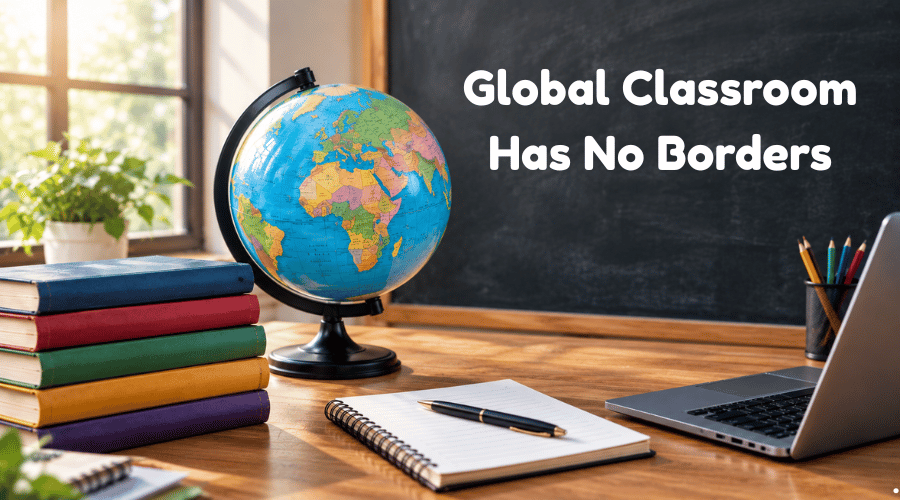
Global Classroom Has No Borders
How
Students Are Learning From Professors, Experts and Peers Across Continents
Not very long ago, a student's
learning experience was largely confined to the walls of a classroom, a campus
library and the expertise available within a single institution. Today, that
reality is rapidly changing. A student sitting in Delhi can attend a lecture
delivered by a professor in London, collaborate on a project with classmates in
Singapore and receive mentorship from an industry expert based in New York.
The classroom of the twenty-first
century is no longer defined by geography. It is increasingly global, connected
and borderless.
Driven by advances in digital
technology, international collaboration and online learning platforms, students
now have unprecedented access to knowledge, expertise and cultural perspectives
from around the world. The rise of the global classroom is reshaping education
and preparing learners for a future where international cooperation is becoming
the norm rather than the exception.
Learning
Beyond Physical Campuses
The traditional education model was
built around physical presence. Students travelled to institutions, attended
lectures and interacted with teachers face to face. While this model remains important,
technology has dramatically expanded access to learning opportunities.
Virtual classrooms, live webinars,
online certification programmes and collaborative learning platforms have made
it possible for students to engage with educators and experts regardless of
location.
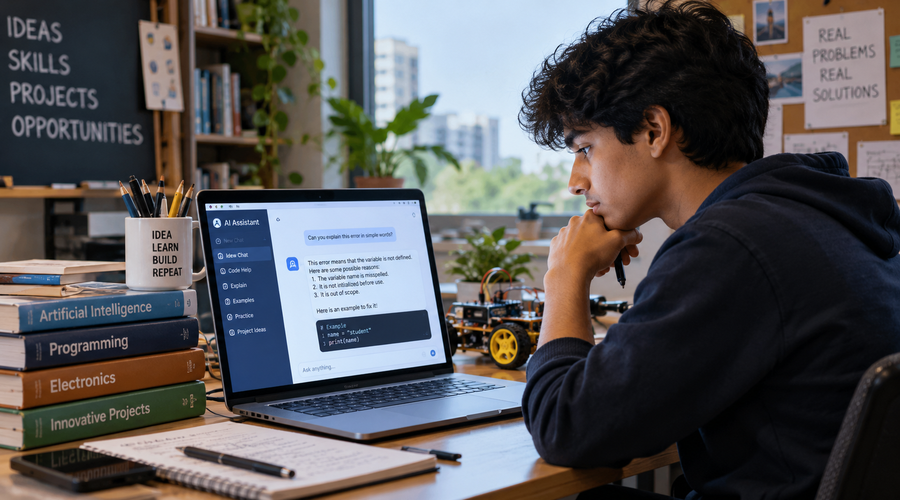
A student interested in Artificial
Intelligence can learn from leading researchers based in the United States.
Someone pursuing business studies can participate in international case
competitions hosted by universities in Europe. Medical students can attend
global conferences without ever leaving their home country.
Education is no longer restricted by
distance. Knowledge can now travel instantly across continents.
The
Rise of International Collaboration
One of the most significant developments
in modern education is the growing emphasis on collaborative learning. Students
today are increasingly working with peers from different countries, cultures
and academic backgrounds.
Group projects conducted online
often bring together participants from multiple regions of the world. These
experiences expose students to different viewpoints, communication styles and
problem-solving approaches.
Employers have long emphasised the
importance of teamwork and cross-cultural competence. The global classroom
provides an ideal environment for developing these skills. Students learn how
to navigate cultural differences, communicate effectively and work productively
in diverse teams.
Such experiences mirror the
realities of modern workplaces where international collaboration has become
commonplace.
Access
to World-Class Expertise
One of the greatest advantages of
borderless learning is access to experts who were once beyond reach.
In the past, only students enrolled
at a particular university could learn directly from renowned professors or
industry leaders. Today, online masterclasses, guest lectures and global
academic events have made high-quality expertise accessible to a much wider
audience.
Technology companies, multinational
organisations and leading universities regularly host virtual sessions that
attract participants from across the globe. Students can gain insights from
innovators, entrepreneurs, scientists and policymakers who are shaping the
future of their respective fields.
This direct exposure helps bridge
the gap between academic learning and real-world industry practices.
Cultural
Intelligence Becomes a Key Skill
The benefits of global learning
extend far beyond academics. Students who engage with international peers often
develop stronger cultural awareness and global perspectives.
Understanding different cultures has
become increasingly valuable in a connected world. Businesses operate across
multiple markets, research projects involve international teams, and social
challenges often require global solutions.
Through cross-border interactions,
students gain a deeper appreciation of diversity. They learn to respect
different opinions, adapt to new environments and view challenges through a
broader lens.
These qualities contribute to what
educators call cultural intelligence, a skill that is becoming highly sought
after by employers worldwide.
Technology
as the Great Enabler
The expansion of the global
classroom would not have been possible without technology. High-speed internet,
cloud-based collaboration tools, video conferencing platforms and learning
management systems have transformed the way education is delivered.
Artificial Intelligence is further
accelerating this transformation. AI-powered translation tools are helping
students overcome language barriers. Adaptive learning systems personalise
educational content based on individual needs and learning styles.
As technology continues to evolve,
access to international learning opportunities is expected to become even more
seamless and inclusive.
For students in emerging economies,
this represents a particularly powerful opportunity. Geographic limitations
that once restricted access to quality education are steadily diminishing.
A
New Era of Global Learning
The concept of a global classroom is
no longer a vision for the future. It is a reality unfolding every day in
schools, colleges and universities around the world.
Students are learning from
professors thousands of miles away. They are exchanging ideas with peers from
different continents and gaining exposure to global expertise that previous
generations could only imagine.
As education becomes increasingly
interconnected, the value of international perspectives will continue to grow.
Academic success will not depend solely on what students know, but also on how
effectively they can engage with people, ideas and opportunities from around
the world.
In this new educational landscape,
borders matter less than curiosity, collaboration and a willingness to learn.
The global classroom has arrived, and for today's learners, the world itself has
become the campus.
Source: ETN